Why I Trust Rabby Wallet (and How to Use a Browser Extension Wallet Without Getting Burned)
Okay, full disclosure — I’m biased. I used to juggle three different browser wallets and a stack of hardware devices, and it felt like spinning plates. Whoa! The moment I first tried Rabby Wallet, somethin’ clicked. Short version: cleaner UI, clearer approvals, and features that actually help you avoid dumb mistakes. But here’s the thing. A pretty interface doesn’t equal security. My instinct said “this could be useful,” and then I dug into the details. Initially I thought it was just another extension, but then I realized the small design choices matter — they change how humans behave when they click “Approve.” Actually, wait—let me rephrase that: good UX reduces user error, which is half the battle in DeFi.
If you use browser extensions for DeFi, you already know the stakes. One wrong click and your funds are gone. So in this article I’m going to walk through why Rabby stands out, practical safety steps for browser-extension wallets, and how to install responsibly. I’ll be honest: I don’t have a crystal ball. I can’t promise any tool is 100% safe. But I can share what I look for and how I minimize risk, because that’s what helped me stop losing sleep over overnight bridge approvals and phantom token allowances.
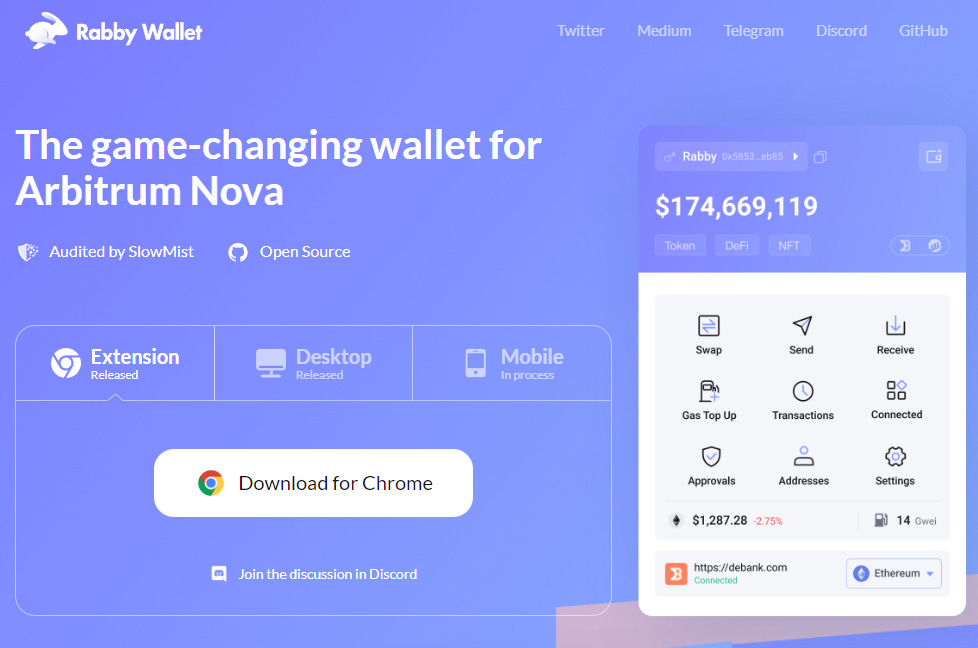
Why Rabby? Small decisions that matter
Rabby isn’t magic. It’s a browser extension that focuses on pragmatic safety features: clearer transaction previews, granular permission controls, and a built-in swap aggregator. These are the kinds of things that, in practice, cut down on accidental approvals and confusing gas estimates. On one hand, a lot of wallets simply forward raw data and hope the user understands it. On the other hand, Rabby tries to translate that data into plain actions so you can make better decisions quickly—though actually, it’s still your call every time.
One real example: token approvals. Most wallets show a button and a scary number. Rabby presents approval levels and warns you when a dApp requests unlimited approvals. That reduces the “approve-and-forget” habit, which is one of the fastest ways to get rug-pulled. My first impression was: small UX shifts, big behavioral changes. Something felt off about how confident people often are when approving transactions; this helps curb that.
Installing safely (step-by-step checklist)
Okay, so you want to try it. Good. Here’s how to do it responsibly. First, only install from trustworthy sources and double-check the publisher name in the extension store. If you prefer a direct download or a guide, I used this page when I set Rabby up: https://sites.google.com/cryptowalletextensionus.com/rabby-wallet-download/. Don’t rush. Take a breath. Seriously.
Next: create a new seed phrase offline if possible. Write it down on paper — not in a plaintext file. I’ve seen people stash seeds in cloud notes (nope); avoid that. Use a hardware wallet for large balances and connect it through the extension when you need to sign. Also, set a strong password for the extension, enable any available PIN or biometric lock, and use separate browser profiles for casual browsing versus crypto activity. Little habits like that add up.
On approvals: treat every request as real money at stake. Read the transaction details. If a dApp asks to spend your tokens forever, give it the minimum it needs. Revoke allowances periodically. There are tools for that; and if you choose to keep something approved, keep that address to a small amount. I’m not 100% certain everyone’s willing to do extra steps, but it’s how you stay safe.
Common threats and practical defenses
Phishing extensions — fake clones — are a real thing. Always verify the extension author and read community feedback before installing. Also watch for social-engineered messages (Discord, Twitter DMs) telling you to connect your wallet immediately. Pause. Those messages often come with a countdown to force hurried, reckless clicks.
Browser compromise is another vector. Keep your browser updated and limit third-party extensions. If an extension needs permissions that seem unrelated to its function, that’s a red flag. Oh, and use content blockers carefully; some break dApp flows, others prevent malicious scripts. Balance is key.
Finally, smart-contract risks: even a perfectly safe wallet can’t undo a dodgy contract you authorize. So learn to read basic transaction previews and ask for help in legit communities if something looks suspicious. I still DM a trusted friend before big transactions — kinda old school, but it works.
Daily habits that save you from headaches
Routine matters. Check your allowance dashboard monthly. Use a burner account for risky airdrops or new protocols. Keep your main funds in cold storage, and only bridge in what you plan to use. When using swaps, compare rates and slippage. And log out of websites when you’re done. Sounds tedious, but once it’s habit it feels normal.
FAQ
Is Rabby safer than other browser wallets?
Safer is relative. Rabby focuses on usability that reduces user error, and it offers granular controls that many wallets lack. That said, security also depends on your habits: seed safety, approvals, and hardware usage matter more than which extension you pick.
Can I use Rabby with a hardware wallet?
Yes. For higher-value holdings, use a hardware wallet in tandem with the extension to sign transactions. That keeps private keys offline and makes accidental approvals much less risky.
What should I do if I suspect my wallet is compromised?
Move remaining safe funds to a new wallet (seed generated offline/hardware), revoke approvals from the old address if possible, and scan for malicious extensions or scripts. Change passwords and check devices for malware. If large amounts are involved, consider professional help.